
Airfoil Turbo Blower Maintenance Checklist for Longer Service Life
Post time: 2026-06-24 13:57:45
Airfoil turbo blowers are designed for high efficiency, low energy consumption, and oil-free operation. But like any industrial equipment, they need regular care to stay reliable. A good preventive maintenance plan helps reduce downtime, avoid unexpected repairs, and extend the life of critical components. Here is a simple maintenance checklist to keep your blower performing at its best.
Daily Inspection for Airfoil Turbo Blower
Daily checks only take a few minutes but can help detect problems early.
What to Check Every Day
Monitor operating pressure and airflow
Check inlet and outlet temperatures
Listen for unusual noise or vibration
Review alarm and fault records
Confirm normal motor current and power consumption
Keeping daily records makes it easier to spot changes before they become serious issues.
Weekly Maintenance Tasks
Weekly inspections focus on keeping the system clean and operating efficiently.
Weekly Checklist
Inspect and clean air filters if necessary
Check duct connections for air leakage
Verify cooling system performance
Inspect electrical connections and cables
Confirm sensor readings are accurate
A clean filtration system is especially important because restricted airflow can reduce performance and increase operating costs.
Monthly Inspection and Maintenance
Monthly inspections provide a deeper look into the overall condition of the blower.
Monthly Checklist
Check impeller condition and cleanliness
Inspect air bearing operating status
Test safety protection functions
Verify control system parameters
Review historical operating trends
This is also a good time to compare current performance data with previous records and identify potential efficiency losses.
Annual Preventive Maintenance Plan
An annual inspection helps ensure long-term reliability and prevents major failures.
Yearly Maintenance Items
Perform a complete system inspection
Calibrate sensors and monitoring devices
Inspect electrical cabinets and cooling fans
Check motor and inverter performance
Replace worn components according to manufacturer recommendations
Annual maintenance should be scheduled during planned shutdown periods whenever possible.
Inspection Cycle for Critical Components
Key Components and Suggested Intervals
Air filters should be inspected weekly and replaced as needed. Air bearings should be checked monthly and evaluated annually. Sensors and monitoring devices should be tested every six to twelve months. Cooling system components should be inspected monthly to ensure stable operation.
Final Thoughts
The best turbo blower maintenance strategy is prevention rather than repair. A well-planned blower maintenance schedule can improve reliability, reduce energy waste, and extend equipment life. By following these turbo blower maintenance best practices, operators can avoid costly downtime and keep systems running smoothly year after year. When was the last time your maintenance checklist was updated?
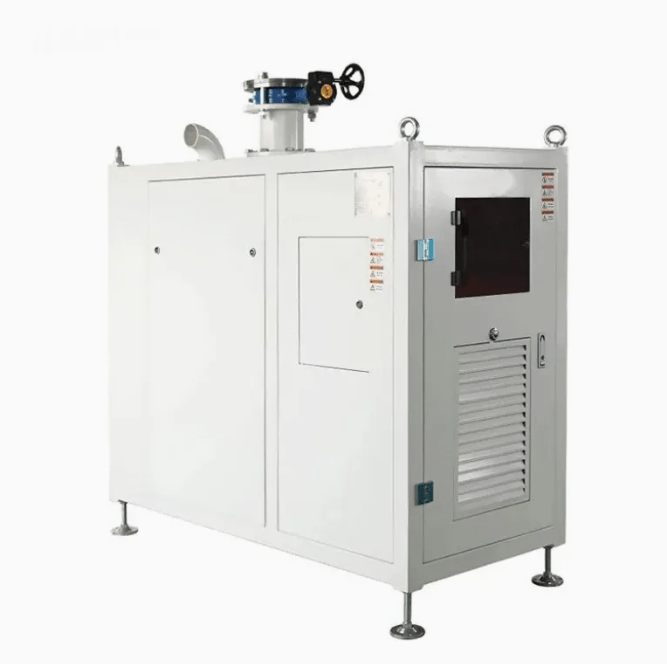
Air Suspension Blowers Product Information
Web: http://www.greentechblower.com (Group Web) ‖ http://www.zqblower.cn (Chinese) ‖ http://www.ringblower.cn/ (Ring blower) ‖ http://www.china-blower.com (Roots Blower)